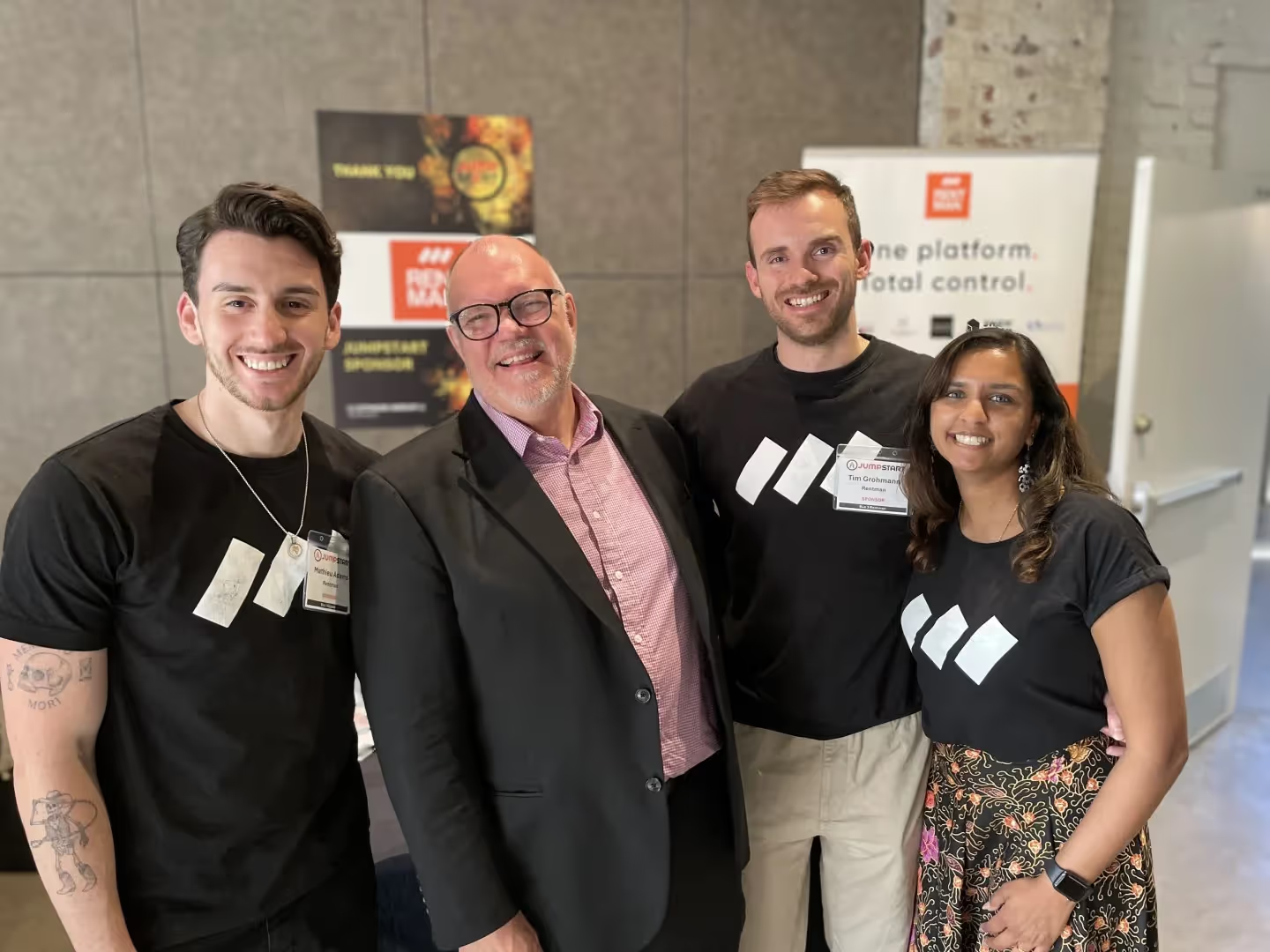
Key takeaways from Jumpstart 2025: Smarter sales strategies for Event Production Pros

Most production companies spend hours on detailed quotes that clients barely skim. Meanwhile, competitors with simpler proposals keep winning the work. There's a reason for that.
At Jumpstart 2025 in Dallas, industry leaders shared strategies that challenge how many of us approach sales and pricing. Here's what we learned about winning more jobs and running a more profitable live event production business.
1. Sell the vision first, not the technical details
Ask yourself: Could someone with less technical experience read your proposal and understand what you're offering? If not, you might be losing clients before they even get to the price.
Most clients want to know what they're getting and why it matters, not the technical details of how you'll deliver it. Starting with a vision-driven scope of work – one that's accessible and focused on outcomes – helps clients see the value you're bringing, not just the equipment you're renting. For example, instead of listing “LED uplights and truss,” describe the outcome: “Transform the ballroom with lighting that creates an upscale atmosphere and highlights key moments throughout the event.” This makes the value immediately clear, while leaving the technical breakdown for later.
The experts at Jumpstart recommended keeping early proposals general and aspirational. Save the detailed technical specs for later. In fact, 90% of your events are similar enough that you don't need custom CAD renderings just to bid on a job. Focus on telling the story of what their event will look and feel like, then move into technical details once you've won them over.
With operations management software like Rentman, you can easily customize quotes and create proposals for similar projects in minutes using equipment packages and project templates.
2. Use your sales team more efficiently
Sales time is valuable, so use it wisely. Make sure your team is actually selling, not getting pulled into operational tasks.
Here's how to use their time more efficiently:
- Keep sales reps out of show sites (they should be closing deals, not running productions).
- Skip site surveys until after you've quoted and won the job.
- Keep project managers out of early quoting, only bring them in after the deal closes.
- Save CAD drawings for confirmed projects, not speculative quotes.
- Don't allocate gear until projects are confirmed.
Protect your sales team's time by keeping them focused on what they do best: building client relationships, scoping projects, and closing deals. Save the operational work for after you've won.
One more tactic: Add expiry dates to your quotes. This moves clients toward a decision instead of leaving proposals open indefinitely.
3. Price with confidence by knowing your costs
How well do you actually know what your jobs cost? Not what you charge, but what it actually costs you to deliver.
The most profitable companies review their costs after every project. They look for patterns: Which gear loses money? Which clients aren't worth it? Where are we spending more than we should? Once you spot these patterns, you can fix them.
This kind of cost awareness has immediate benefits:
- You're less likely to give in to discount requests
- You can create clearer scopes that reduce scope creep
- You can often save 10-15% per job
To price confidently, you need standardized margins. Here are some recommended formulas:
- Labor: +50% markup
- Logistics: +50% markup
- Expendables: +100% markup
- Travel: +33% handling fee (to account for financing upfront costs)
For equipment, distinguish between subrentals (Cost + 50%) and your own inventory. A common approach is to calculate internal equipment costs as 25% of the item's retail price.
From there, you can choose your pricing philosophy. Some companies calculate cost-plus-margin across all direct costs, double it, then adjust based on complexity and repeatability. Others add up costs and simply ask: "How much profit is this job worth to me today?"
Either way, the key is knowing your numbers so you're not guessing when you quote.
With software like Rentman, you can track all the costs associated with a project, such as crew, equipment, and transportation, in one centralized system. That way, you can protect your margins and make sure you're running a profitable business.
4. Stop selling line items, sell value instead.
Unless you're subrenting to another production company, skip the detailed line items. Showing your math gives clients a way to negotiate line by line until your margin disappears.
Instead, focus on what you'll deliver and why it matters:
- Describe the scope and outcomes
- List what's included
- Present upgrades as enhancements, not add-ons
Here's the shift: Proposals should be driven by words, not numbers. One powerful way to simplify this process: sell in packages instead of individual items. Packaging speeds up quoting, helps clients understand what they're getting, and makes proposals feel less like rental orders and more like complete solutions.
Focus on understanding what the client needs and painting a picture of their event before discussing price. When you lead with vision, clients care less about cost breakdowns and more about results.
The bottom line
The production companies growing right now aren't necessarily the ones with the best gear or the biggest team. They're the ones that sell smarter, price with confidence, and know their numbers. Small changes make a big difference. Clearer proposals, better cost tracking, and smarter use of your sales team can transform your win rate and profitability.
This wasn't our first time at Jumpstart. Last April, we attended the Columbus event and came away with valuable insights about growing your freelancer network, client ghosting prevention strategies, and many more. If you want to see what else we've learned from the Jumpstart community, check out our recap from Jumpstart Columbus.
Ready to put these strategies into action? See how Rentman's operations management platform helps production companies quote faster, track costs in real time, and win more jobs.
Frequently asked questions

Previous blog posts